New U.S. Visa Integrity Fee Sparks Concern Across Events IndustryNew U.S. Visa Integrity Fee Sparks Concern Across Events Industry
A newly authorized $250 fee could significantly impact the cost and feasibility of attending or exhibiting at U.S. trade shows.

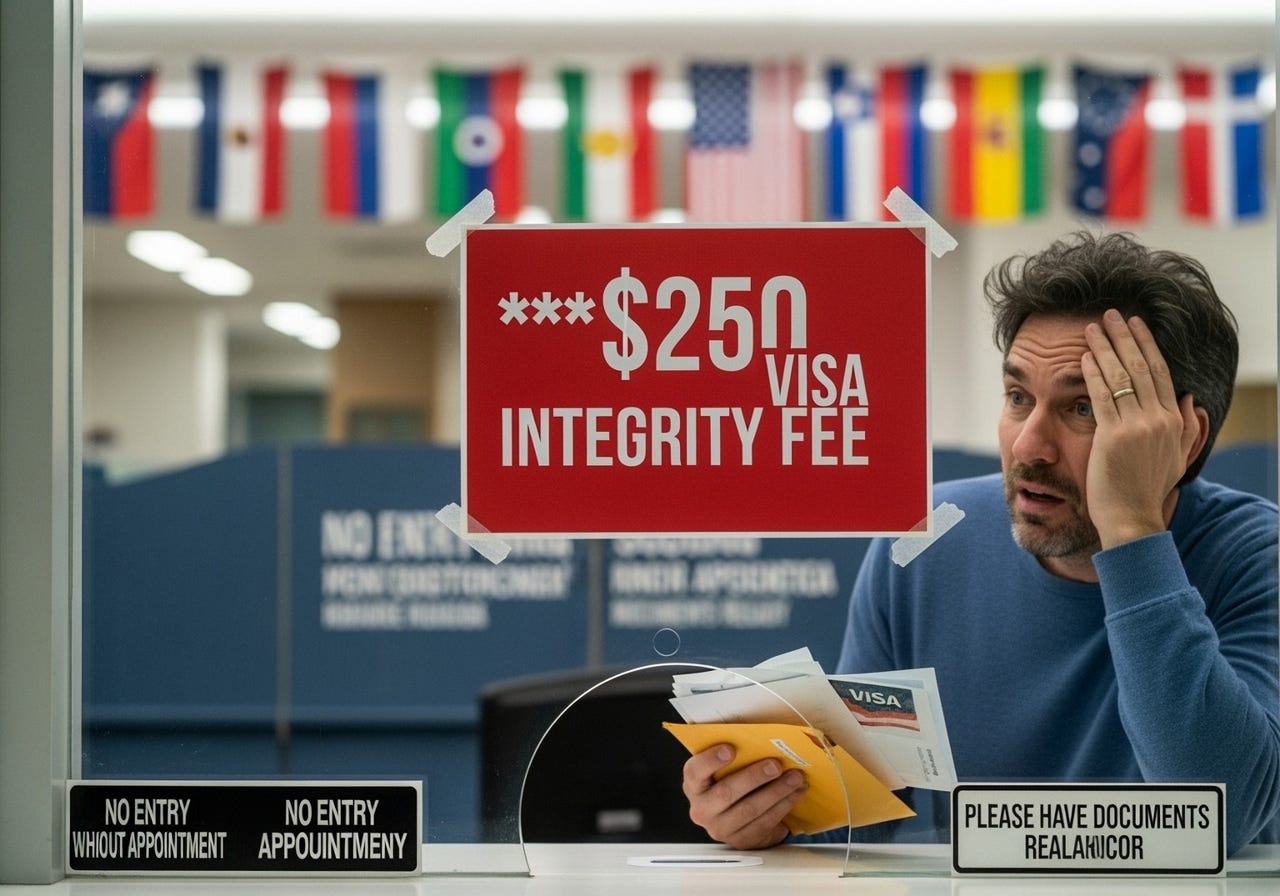
A newly authorized $250 Visa Integrity Fee could reshape the cost—and feasibility—of attending trade shows and exhibitions in the U.S. Though slated to take effect October 1, 2025, the fee remains in bureaucratic limbo. No one’s paying it yet, but many are bracing for impact.
Combined with the existing $185 visa application fee, the total cost to secure a U.S. non-immigrant visa will jump to at least $435. Add in the $24 I-94 arrival/departure record, and the price climbs higher.
The so-called Visa Integrity Fee would be more aptly named a “Traveler Deterrence Fee,” Geoff Freeman, president and CEO of the U.S. Travel Associationtold TSNN. “It’s an unnecessary cost placed on international travelers, raising the price of visiting the U.S. right when we need to be encouraging more visitors.”
For exhibitors and attendees from countries like China, India, Brazil and Mexico—who aren’t covered by the Visa Waiver Program—this added expense could be the tipping point between registering for a trade show and staying home.
The timeline for implementation is still a mystery. Neither the Department of Homeland Security nor the State Department has provided any guidance, and a Federal Register notice said collection procedures would be addressed in a future publication—not in the summer 2025 updates.
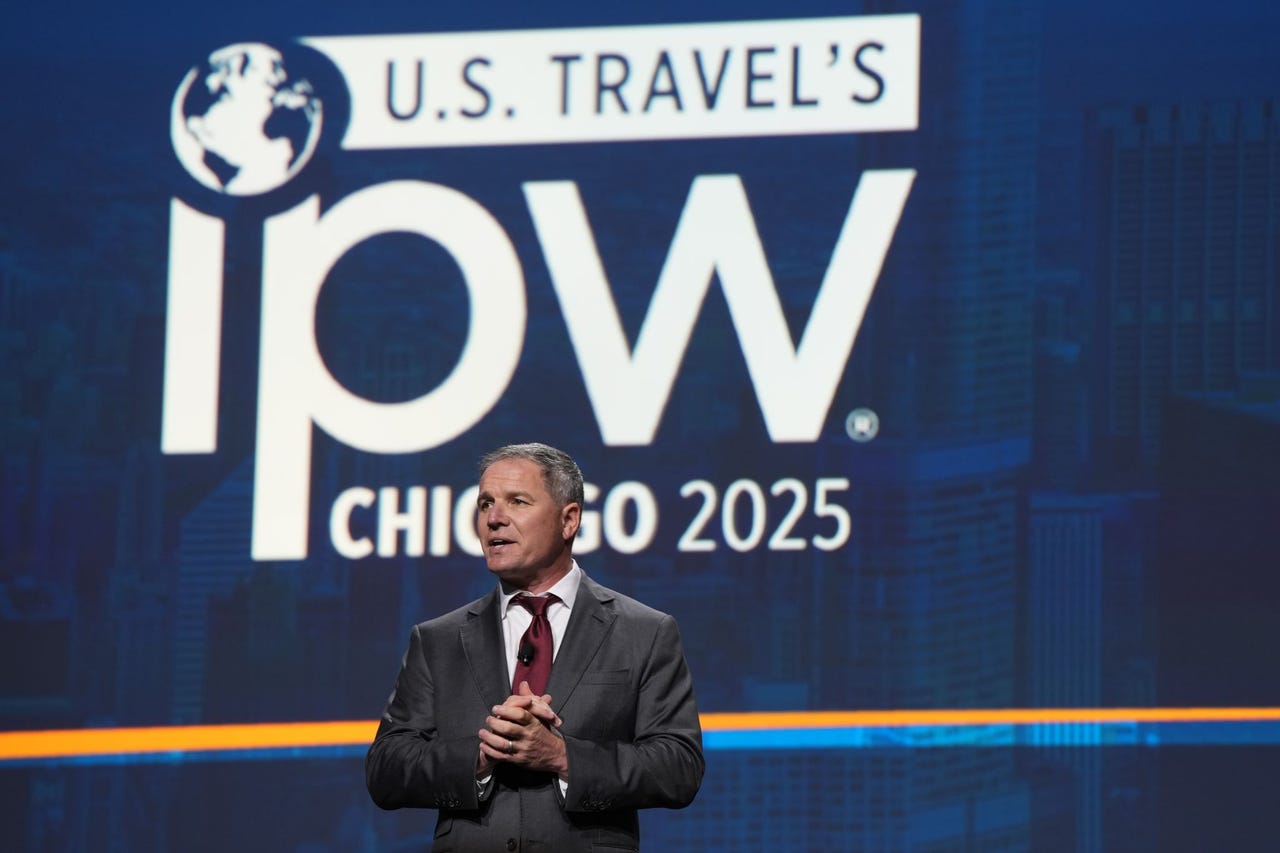
The so-called Visa Integrity Fee would be more aptly named a “Traveler Deterrence Fee,” Geoff Freeman, president and CEO of the U.S. Travel Association told TSNN. “It’s an unnecessary cost placed on international travelers, raising the price of visiting the U.S. right when we need to be encouraging more visitors.” Photo: U.S. Travel
.JPG?width=1280&auto=webp&quality=80&disable=upscale "AccentureKeynote (3).JPG")
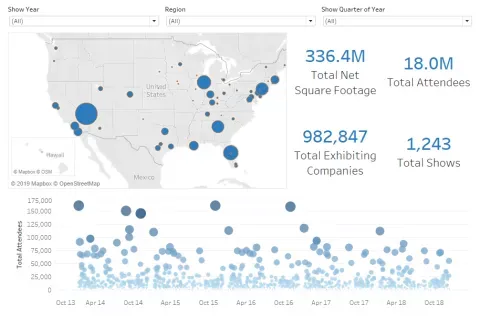
CES 2025 drew more than 142,000 attendees, 40% of whom were international visitors from more than 150 countries. This makes the Visa Integrity Fee particularly relevant for CES, since tens of thousands of participants (those not from Visa Waiver countries) could be affected by the new charge. Photo: Consumer Technology Association
Visa Integrity Fee: What It Is and Who It Affects
The Visa Integrity Fee was enacted on July 4, 2025, under the One Big Beautiful Bill Act (Public Law 119–21) . It is codified in U.S. Code Title 8, Section 1806 and applies to most nonimmigrant visa categories, including B-1/B-2 business visitors, F-1 students, J-1 exchange visitors, H-1B workers and others.
Exemptions include travelers from the 42 countries in the Visa Waiver Program—most of Europe, Japan, South Korea—and applicants whose visas are denied. The fee is charged only upon issuance, not application.
A vague reimbursement clause is tucked into the legislation: DHS may refund the fee if the traveler complies with all visa terms, such as timely departure and avoiding unauthorized work. But that’s more theory than practice, seemingly by design. The Congressional Budget Office predicts that few travelers will try to get their money back, due to narrow eligibility and lack of a formal process for doing so.
Coming Soon: Fraud Detection Surcharge
The mandatory $250 is only a starting point. Beginning in fiscal year 2026, the Visa Integrity Fee will increase annually based on inflation, using the Consumer Price Index. DHS might also consider further adjustments through rulemaking, which would include a public comment period.
Another potential Visa fee is looming. The One Big Beautiful Bill Act allows for a “Fraud Detection Surcharge” as part of the broader immigration reforms introduced (Public Law 119–21), which also authorized the $250 Visa Integrity Fee.
According to the Financial Express, this surcharge will apply to all visa types, but no official guidance has been issued yet by the Department of Homeland Security or the State Department.
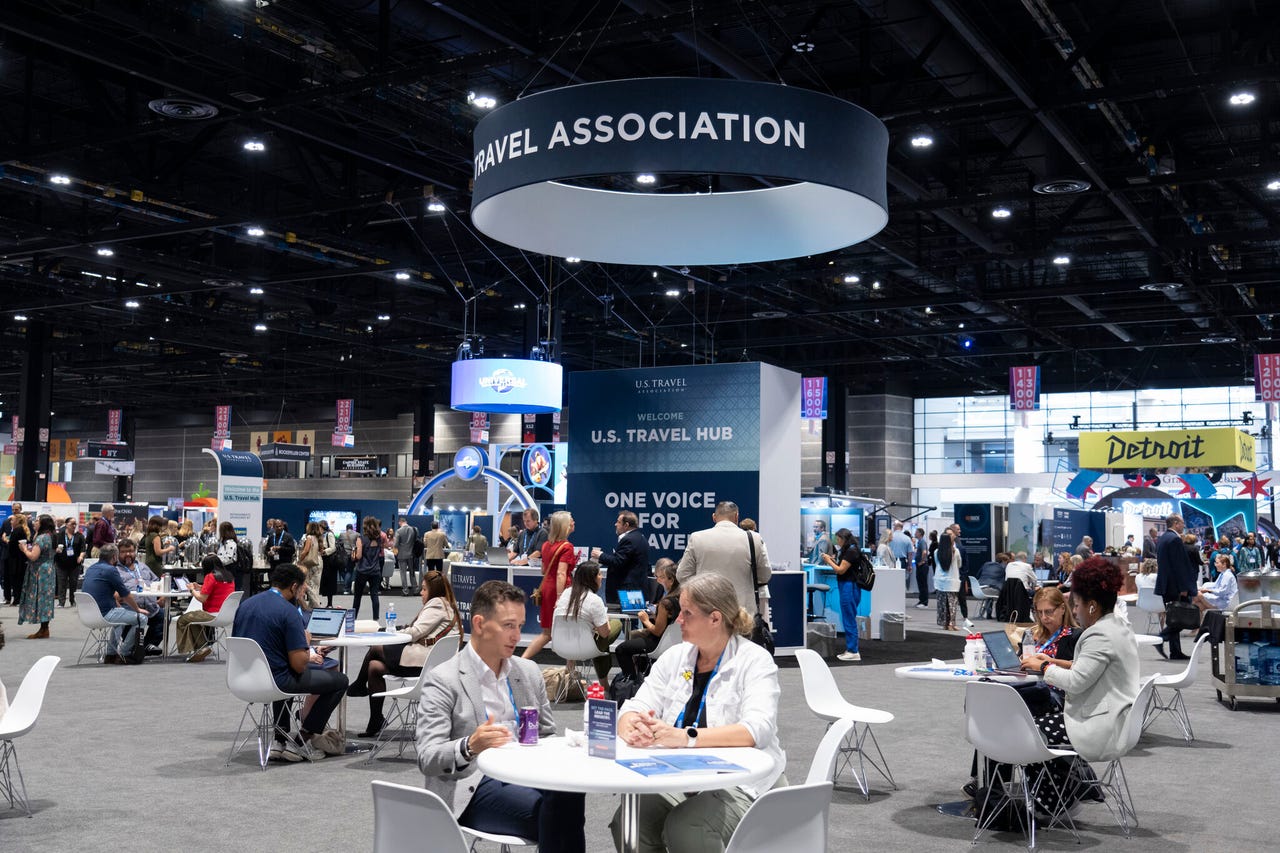
U.S. Travel Association's IPW draws 2,000 international buyers and media from 70 countries—key to its mission of boosting U.S. inbound travel. Photo: U.S. Travel
Government Intentions vs. Reality
The fee’s official purpose is revenue. While Congressional Budget Office estimates it will generate $2.7 billion annually—assuming there’s no drop in travel—industry analysts disagree. That projection assumes the fee won’t deter any inbound travel.
Research by Tourism Economics projects the additional cost is likely to deter 5.4% of international visitors, costing the U.S. $3.6 billion per year in lost spending and tax revenue.
A Forbes analysis of the data projects the fee will cost the U.S. economy $11 billion over three years, including $9.4 billion in lost visitor spending and 15,000 travel-related jobs.
International travel to the U.S. was already struggling before the Visa Integrity fee entered the equation, according to Tourism Economics. In March 2025, overseas visitor arrivals dropped 11.6% year over year, with sharp declines from Germany and the United Kingdom. Air travelers from Mexico fell 23%, and Canadian visits declined 31.9% by land and 13.5% by air.
Impact on International Trade Shows
Trade show organizers and association leaders are sounding the alarm. The fee, they say, could hamper international participation—especially among small and mid-sized exhibitors from emerging markets.
The U.S. Travel Association has voiced concern that the new fee could discourage international participation at events like IPW, its annual trade show dedicated to attracting inbound travel. Of its 5,000+ annual attendees, about 2,000 are travel buyers and media from roughly 70 countries.Rising costs—already the top deterrent for international travel to the U.S.—combined with a strong dollar, are making other destinations more attractive to global travelers, said Freeman. The extra $250 will likely do more harm than good to the U.S. economy and businesses that rely on visitor spending, according to U.S. Travel. In fact, the association, which represents the interests of the travel industry, expects the additional cost will deter nearly 1 million annual visits—and lost spending along with them.
Trade Show Organizers Respond
For organizations with international events in the U.S., there’s growing concern that the fee could disproportionately affect smaller exhibitors and attendees, particularly from Latin America and Asia, who often face longer visa processing times and higher travel costs. Some are alerting constituents and offering to help streamline the process.
Among major events on the horizon is CES 2026, Jan. 6-9 in Las Vegas. Attendance is expected to exceed last year’s 142,000+, of which 40% were international visitors from more than 150 countries. This makes the Visa Integrity Fee particularly relevant for CES, since tens of thousands of participants (those not from Visa Waiver countries) could be affected by the new charge.
The show’s Travel & Visa advice page urges international travelers to verify fees and requirements, noting that “a new $250 “integrity fee”—adjusted annually for inflation—will start in fiscal year 2026.”
On its heels is The AHR Expo, expected to draw some 50,000 professionals in the HVACR industry (heating, ventilation, air conditioning and refrigeration) to Las Vegas Feb. 2-4. Organizers added a prominent notice to the top of its visa assistance page. Highlighted in yellow, the note advises international attendees that the Visa Integrity Fee might apply, with a promise to provide links to more details as they become available.

Journalists entering a press conference at CES 2025. The show’s Travel & Visa advice page urges international travelers to verify fees and requirements, noting that “a new $250 “integrity fee”—adjusted annually for inflation—will start in fiscal year 2026.” Photo: CTA
.jpeg?width=1280&auto=webp&quality=80&disable=upscale "CTAStateoftheIndustryAddress (11).jpeg")
Gary Shapiro, CEO of the Consumer Technology Association, welcomed participants to CES 2025 in Las Vegas in January. Attendance at CES 2026 is expected to exceed last year’s 142,000+. Photo: CTA
Advocacy Groups Sound the Alarm
“The $250 visa integrity fee adds to the headwinds faced by trade show organizers as the work to bring would-be international exhibitors and attendees to the U.S. for their events. ECA continues to support efforts to further delay the implementation of this unwelcome fee and ultimately repeal it,” said Tommy Goodwin, EVP of the Exhibitions & Conferences Alliance.
The timing is particularly poor, noted Freeman, with major events like America 250 and the FIFA World Cup on the horizon. “These travelers want to come to the U.S., spend their money at American businesses and destinations, and go home and tell their friends and family to do the same,” he said. “Let’s make that easier, not harder.”
Advocacy groups are urging the administration to reconsider. In Part 2 of this series, TSNN will explore how industry leaders are responding—and what they’re doing to protect international participation.
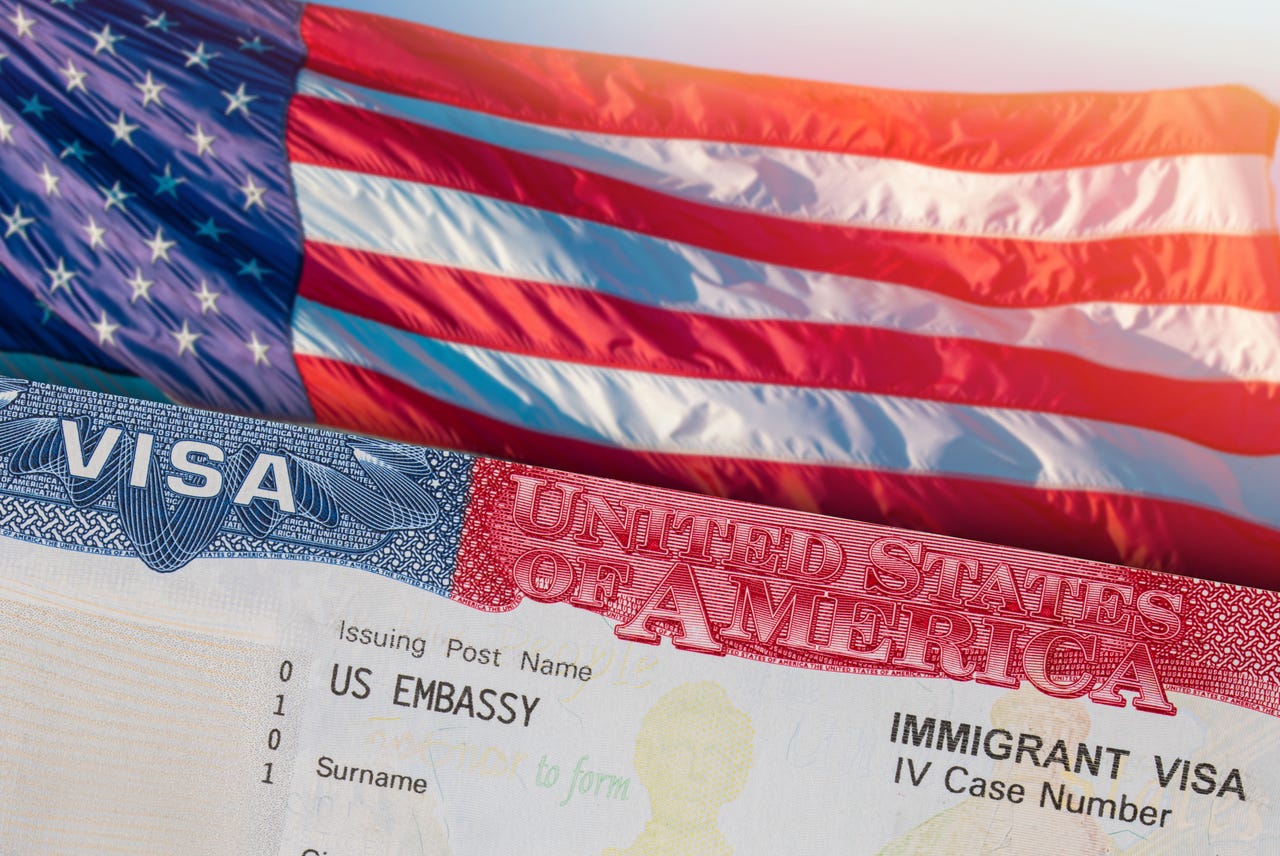
A newly authorized $250 Visa Integrity Fee could reshape the cost—and feasibility—of attending trade shows and exhibitions in the U.S. Photo: Shutterstock
Adding Up the Cost of a U.S. Visa
Below are the minimum costs; additional fees might apply based on type of visa.
Fee Type | Amount (USD) |
|---|---|
Visa Application (MRV) | $185 |
Visa Integrity Fee | $250 |
I-94 Record (if needed) | $24 |
Total Minimum Cost | $459+ |
Sources: Financial Express, KPMG
About the Author

Related Stories