Immersive, Interactive, Intelligent: 8 Tech-Driven Production Trends Reshaping Business EventsImmersive, Interactive, Intelligent: 8 Tech-Driven Production Trends Reshaping Business Events
The latest emerging trends in corporate event production showcase how technology and innovative approaches are transforming traditional events into interactive, emotionally engaging experiences.

Corporate event production is evolving fast — not just in what technology can do, but in how it shapes the attendee experience. AV and digital tools are now designed to engage, respond, and adapt in real time. From interactive planning platforms to immersive storytelling and live feedback, these eight trends are redefining how events are built and experienced.
1. Using Digital Twins to Craft the Setting
Real-time virtual models are streamlining event design and logistics before a single chair is placed.

Janice Cardinale, Event Minds Matter
Goodbye, static floor plans. Digital twins — real-time, data-rich virtual models of venues and environments — are becoming essential planning tools, explained Janice Cardinale, founder of Event Minds Matter. “Digital tools are not tech gimmicks,” she stressed. “They bring vision, logistics and creativity into sharper focus.”
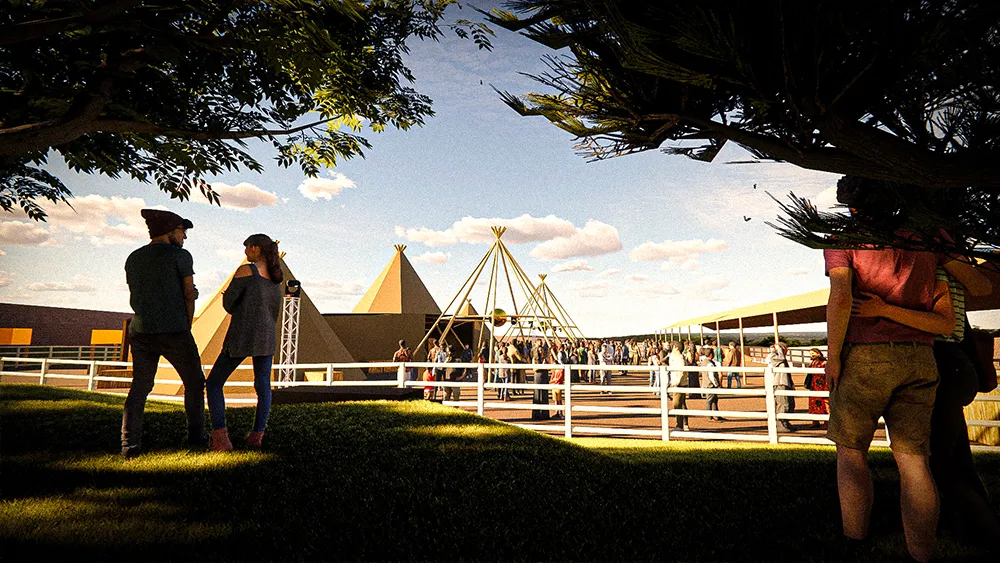
Unlike basic 3D models, digital twins simulate variables like lighting, sound, audience flow, and even weather conditions. That detail lets planners test scenarios, spot potential issues, and make better decisions earlier. This is game-changing technology that will completely transform the planning process, according to Bertie Benson, founder of U.K.-based Progression Events. Conceptualizing events now begins with immersive 3D renderings of entire environments, he explained in a recent blog post. “By embracing digital twins, event planners can unlock new levels of efficiency, creativity, and sustainability.”
2. Bringing Cinematic Flair to Event Production
Producers are treating events like film sets to design immersive experiences.

Debbie Garcia, CMP
Think of an event as a movie scene — complete with visual pacing, lighting, and sound. That’s the approach taken by Debbie Garcia, CMP, whose film background helps her craft immersive environments that align with an event’s message. “Cinematic AV is about emotional rhythm,” she explained. “We use layered sound and lighting to build a cohesive experience.” If the theme is transformation, for example, attendees should feel like they’re part of a journey. Garcia integrates sensory storytelling with soundscapes and color-synced LED walls to create environments that make audiences engage and remember.
3. Building AV That Responds in Real Time
Interactive setups are turning passive presentations into two-way experiences.

EideCom's Charles Eide
Immersive AV is no longer just about spectacle — it’s about responsiveness. At a recent convention, EideCom designed a reactive LED stage with spatial audio and lighting zones that shifted based on movement. “We’re seeing a massive shift toward immersive AV design that transforms events from static presentations into fully interactive experiences,” said Charles Eide, CEO and founder of the production company. Layered with AI-driven personalization, the system delivered tailored content and networking prompts during the event. “It’s about delivering strategic, emotional, and unforgettable experiences — not just events,” he added.
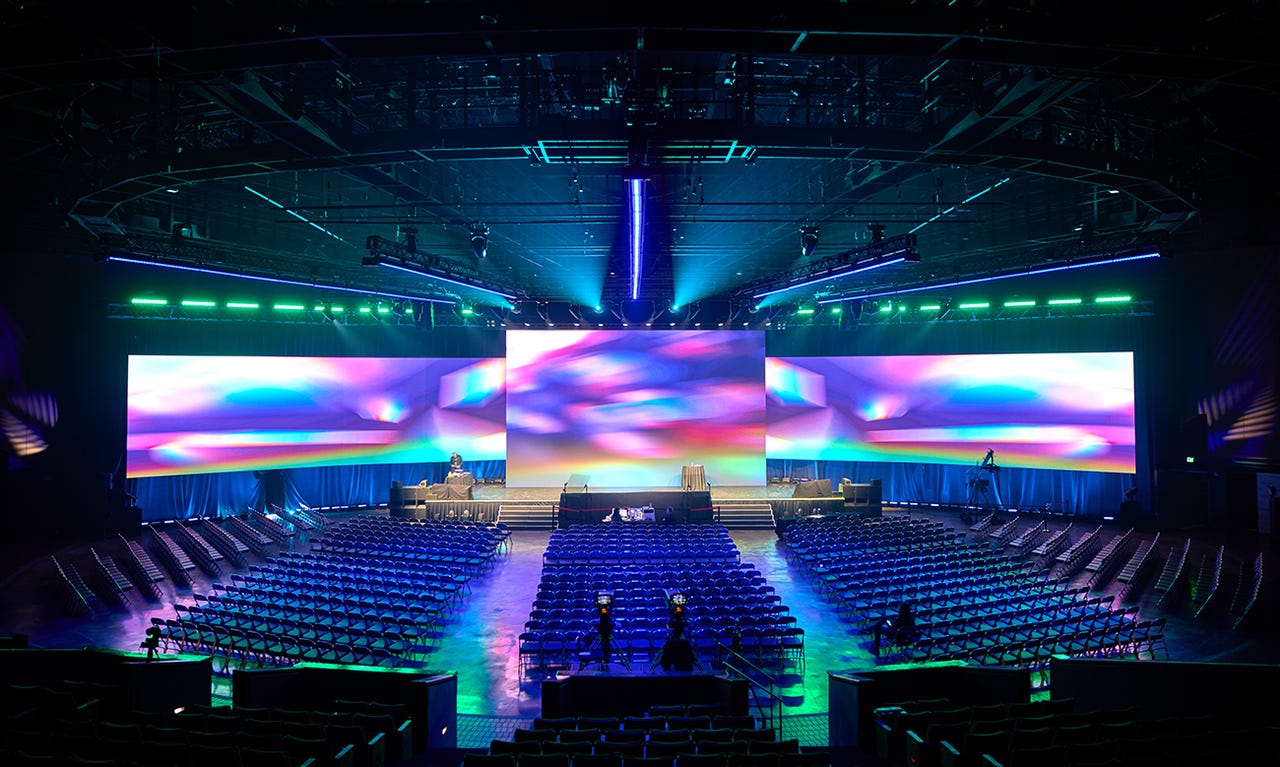
Photo courtesy of EideCom
4. Putting DJs at the Center of Experience
High-energy DJs are emerging as key emotional drivers in event programming.

Photo courtesy of PRA
Take background music into the foreground, suggested Brian Stewart, vice president of business development, production services at PRA. “A dynamic DJ with a magnetic personality can create and maintain the energy of your event.” Beyond mixing tracks, an exceptional DJ interacts with the audience, builds excitement, and sets the tone for the event. They might dance on stage or lead activities like trivia challenges to keep transitions lively and audience engagement high.

PRA's Brian Stewart. Photo courtesy of PRA
To add a level of personalization, have the DJ take song requests. “That sets the emotional rhythm of the entire experience,” added Stewart.
5. Using Motion Graphics to Deepen the Mood
Animated visuals and synced audio are transforming static ballrooms into dynamic environments.
Motion graphics help bring an event’s message to life. PRA uses panoramic and vertical LED screens combined with directional audio to reinforce mood and tone. Production teams design animated visuals that shift throughout the program to match its energy and pace.
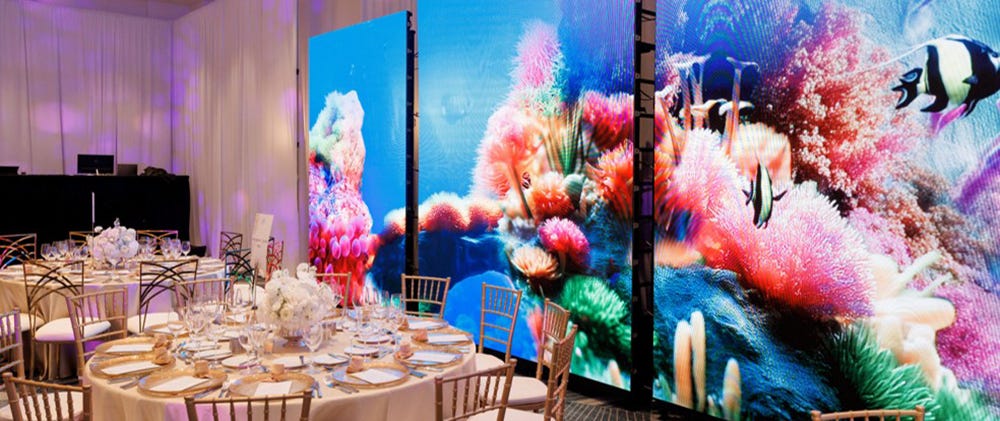
Photo courtesy of PRA
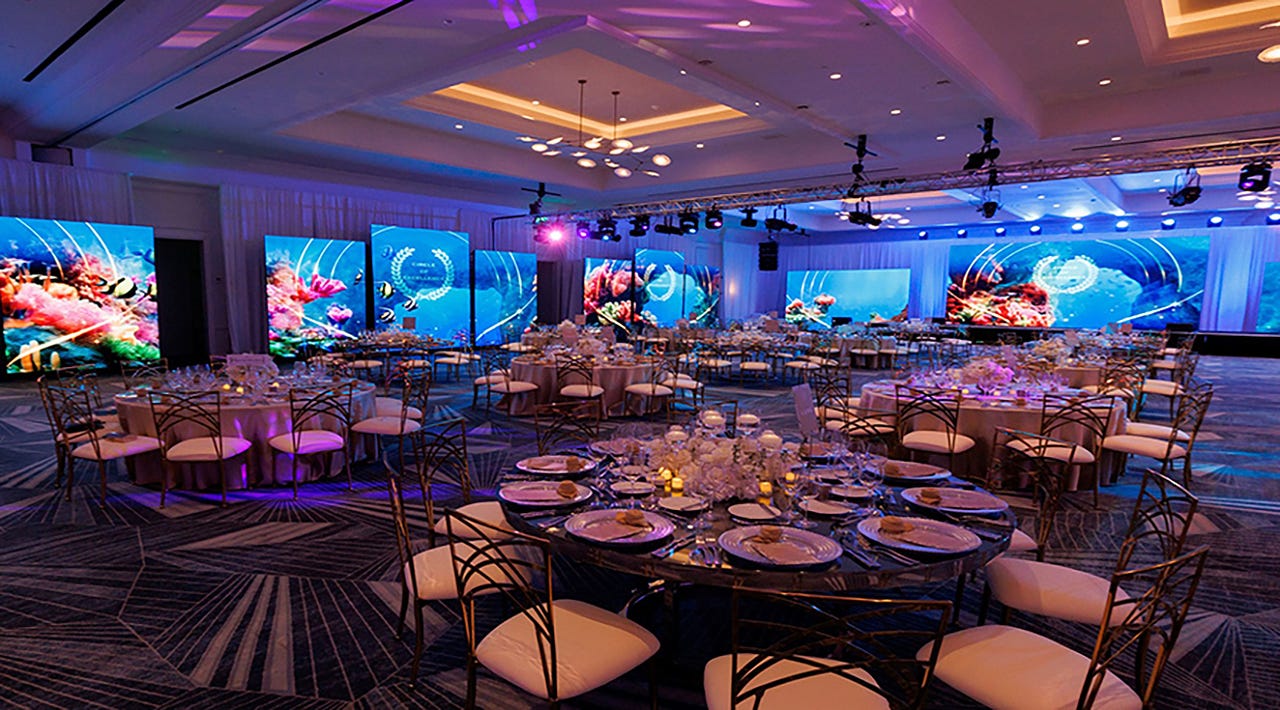
At a recent awards dinner PRA staged for 500 guests at the Ritz-Carlton Grand Cayman, motion graphics turned the ballroom into a vibrant Polynesian landscape. Swirling waves, swaying palm trees, and brilliant sunsets played across the room — a powerful example of technology used to bring the outdoors in.
6. Capturing Audience Feedback in the Moment
Live sentiment tools are replacing post-event surveys for faster, smarter responses.
Gathering audience feedback has moved from post-event surveys to real-time insights. Planners are using app-based prompts, push notifications, and instant polls that eliminate the friction of QR codes or third-party links. The goal is to capture audience sentiment in the moment, not after the fact. Garcia sees this as a missed opportunity in too many events. “Feedback should be integrated into the app,” she said. “Here’s the presentation you just saw, now let’s push out a question — ‘How was it?’” Feedback should be built into the experience, she added.

Planners test-driving EideCom's VR technology. Photo courtesy of EideCom
7. Designing General Sessions for Eye Contact
Smaller stages and circular layouts are helping speakers engage more with audiences.
General session formats are adapting to participants’ need for deeper interaction. “As the world becomes increasingly divided and technology distances us physically, the importance of face-to-face events is more crucial than ever,” said Edward Perotti, CMP, CMM and principal of EP Events & Experiences. He prefers smaller, more engaging formats — like round-theater layouts that encourage eye contact and conversation. “Put presenters on a slowly rotating stage surrounded by screens to create an experience that draws people in,” he suggested.
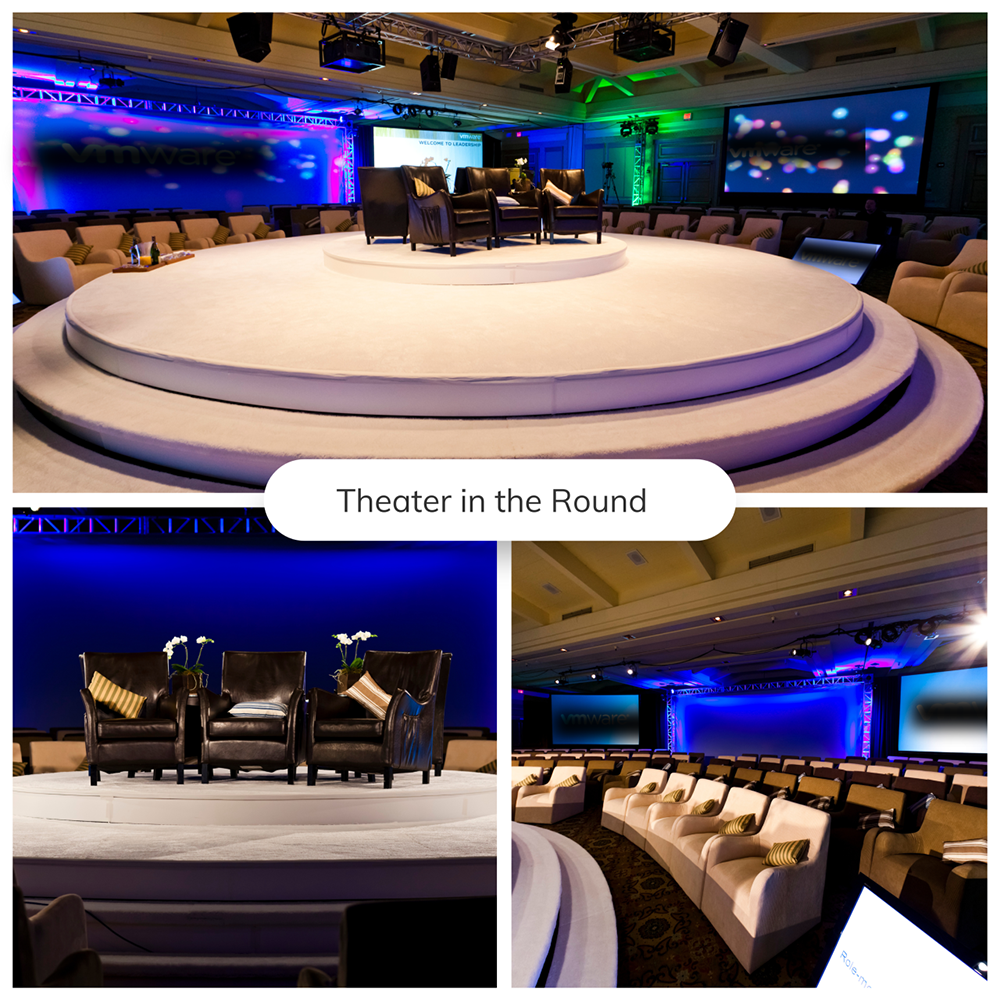
Photo courtesy of EideCom
8. AI Becomes Part of the Planning Process
Planners are using artificial intelligence — but not to its fullest potential.
Most planners are tapping into AI, but relatively few are leveraging its full capabilities. A recent PCMA survey found that 91% of planners use AI tools in some capacity. Of those, just 15% were identified as “leaders” — strategically evolving their workflows to embrace what AI can do. Forty-six percent of respondents use AI for content creation and summarization, while 35% apply it to data analysis and reporting.
As these tools evolve, it’s the early and avid adopters who will lead the next wave of event innovation.
Lead image: Courtesy of PRA