Experts & Opinions: Designing for Engagement: How to Create Event Networking Spaces That Drive ResultsExperts & Opinions: Designing for Engagement: How to Create Event Networking Spaces That Drive Results
Thoughtfully designed networking spaces at trade shows and other business events can help facilitate meaningful connections that drive attendee satisfaction and long-term ROI.


At any trade show or corporate event, networking is where the real value often lives. Sure, the sessions are important. The exhibits? Also great. But for many attendees, the lasting ROI comes from who they meet: new clients, partners, mentors, or peers.
That’s why building thoughtful networking spaces is essential. A well-designed environment makes it easier for people to connect, participate more fully in the event, and walk away feeling like it was worth their time. And when people feel connected, they’re more likely to return the following year, tell their colleagues, and deepen their relationship with your brand.
Common Pitfalls to Avoid
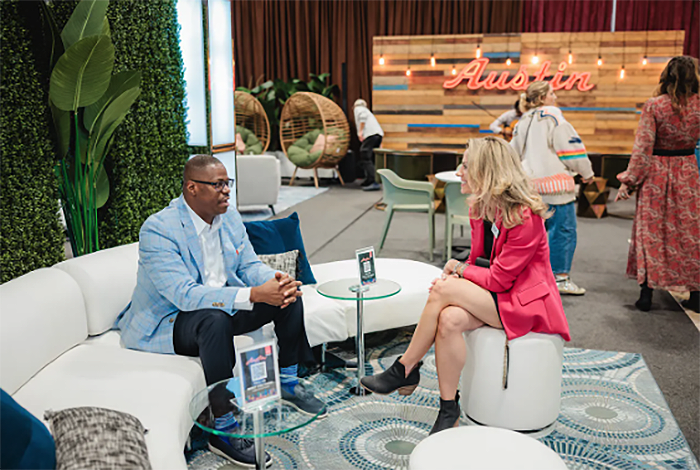
One of the biggest mistakes planners make is designing with only extroverts in mind. Not everyone is going to walk into a cocktail hour ready to mingle. Incorporate options for quieter engagement. Think seating pods for two or small conversation prompts that help break the ice without forcing it.
Courtesy of CORT Events
Furniture layout is another easy miss. When there are too few seats, people hover. Too many, and it feels sparse. Modular, movable furniture allows you to adjust the setup throughout the event, based on traffic flow and energy.
Also, don’t forget about acoustics. A live band might be fun, but if people are shouting to be heard, they’re not going to stick around for long. Keep the volume at a level where people can talk comfortably.
What Makes a Networking Space Work
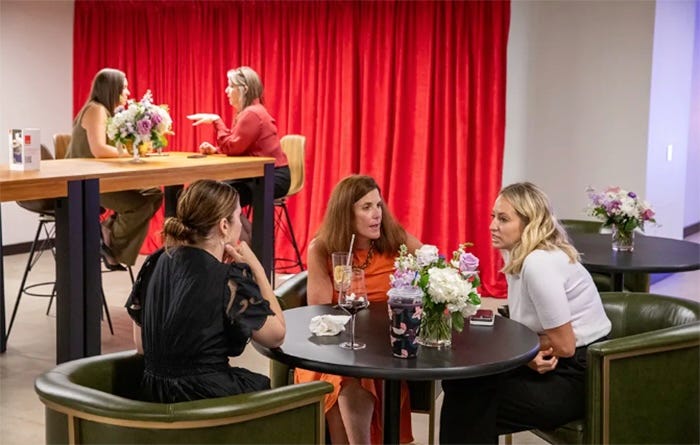
The strongest networking areas offer comfort, cues, and conversation starters. A mix of seating — high-tops for quick chats, soft seating for longer conversations and a few café-style tables — gives attendees flexibility. Visual focal points such as plants, branded backdrops, or snack stations can draw people in and act as natural gathering spots.
Signage can also do a lot of heavy lifting. Even a simple “Meet Here” or “Recharge & Connect” sign helps people understand the space is meant for conversation. It gives them permission to engage.
Courtesy of CORT Events
Let the Schedule Work for You
Event flow matters just as much as layout. Build in buffer time between sessions so people aren’t rushing from one thing to the next. Many planners worry that too much open time will make the schedule feel incomplete, but those pauses are often when the best networking happens. Use them intentionally.
And know your audience. If you’ve got a group that tends to head to the bar at the end of the day, don’t fight it — support it. Design a happy hour that encourages spontaneous connection. Just make sure the bar is staffed accordingly.
Structured vs. Unstructured Networking
There’s a place for both. Structured moments like team-building challenges or curated small-group discussions can help people connect with those they might not seek out on their own. At a recent client event, we ran an “Amazing Race”-style activity for a corporate sales team. It broke the ice in a big way: People at all levels of the company were working together and showing off skills you don’t normally see in a boardroom or virtual meeting.
Courtesy of CORT Events
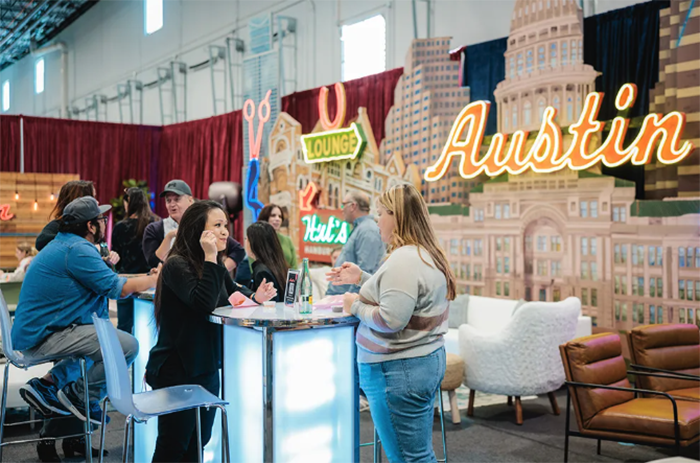
Unstructured networking, meanwhile, allows for more organic connections. At another event, we hosted a poolside expo where exhibitors had cabanas instead of booths. The relaxed atmosphere helped conversations unfold naturally, and attendees lingered far longer than they would have in a traditional exhibit hall.
No Big Budget? No Problem.
Even with tight space or limited funds, you can create moments that spark connection. Start with the badge. You’re likely printing them already, so why not use them to encourage interaction? Add ribbons, stickers, or pins that reflect attendee roles, interests, or even hobbies. Labeling someone as a “first-timer,” “board member,” or “brand ambassador” helps people know who to approach or welcome.
Networking doesn’t have to be flashy; it just has to be thoughtful. When you create the right conditions for connection, the relationships (and event ROI) will follow.