Experts & Opinions: Enhancing the Front-of-House-Experience at The Wall Street Journal’s Future of Everything Event 2025Experts & Opinions: Enhancing the Front-of-House-Experience at The Wall Street Journal’s Future of Everything Event 2025
How the WSJ events team revamped its largest annual gathering with a seamless check-in process and NFC-enabled business cards for effortless networking among C-suite attendees

For an event as future-facing as The Wall Street Journal’s (WSJ) Future of Everything, reinvention isn’t just a theme, it’s part of the events’ DNA. Now in its 7th year, the 2025 edition marked a shift in format and audience, moving to New York City’s The Glasshouse and narrowing its focus to a more curated list of high-level attendees: C-suite executives.
That shift demanded a new kind of front-of-house experience; one that felt frictionless, intelligent, and above all, personal. Working with experiential tech partner Gramercy Tech, the WSJ events team rethought every element of the check-in and welcome journey, applying data, design thinking, and white-glove hospitality to deliver a process that not only addressed the potential for long queues but also delighted attendees from the first moment.
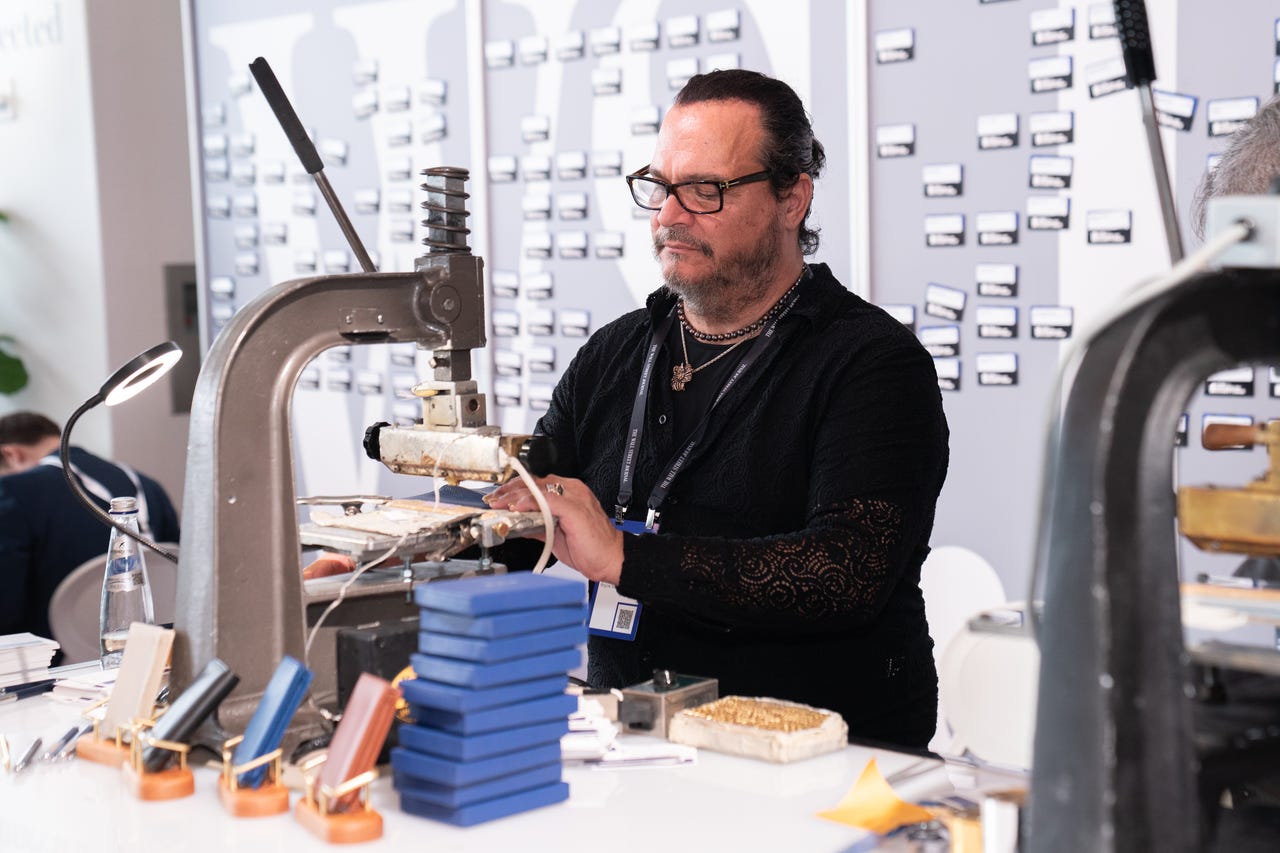
As a finishing touch, each guest received a monogrammed Royce New York business card wallet. Photo: WSJ
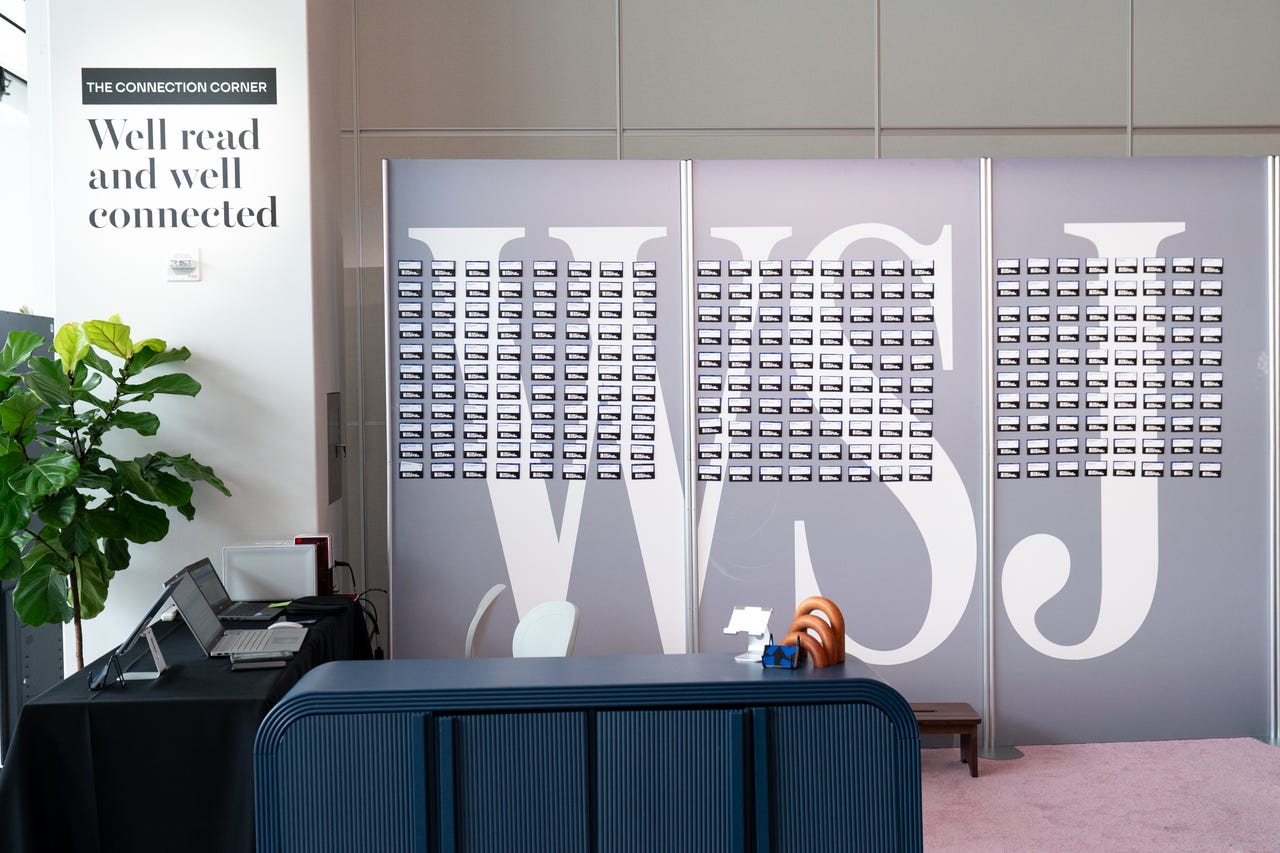
The Future is Everything is the largest annual gathering by The Wall Street Journal. Photo: WSJ
Personalized Check-In, Engineered for Flow
In past years, check-in for Future of Everything, WSJ’s largest annual event, embraced a vibrant, festival-like atmosphere, but the high energy and broad attendance could also be accompanied by long lines at peak entry moments. Receiving credentials felt impersonal and rushed instead of a gracious welcome to the event, particularly for our new audience target.
This year, the team came in prepared. After reviewing past survey data and pressure points with Gramercy Tech, we designed a check-in experience built around clarity, speed, and space flow (and we even conducted a cross-functional rehearsal across all stakeholders before event load-in).
With attendees arriving at two different entry levels (ground floor and 6th floor), Gramercy implemented a staggered system: guests checked in at one of four stations on the ground floor, each connected via iPad to a badge printer upstairs. As security verified IDs, staff directed guests to a numbered kiosk. By the time they reached the 6th floor, their badge—now larger, sleeker, and networking-ready—was printed and waiting for them, their key unlocking the event experience inside.
The result: zero upstairs congestion, real-time guest counts, and a check-in process that felt tailored, not transactional. By Day 2, returning guests fast-passed through registration, thanks to an added app feature that tracked previously picked-up badges without compromising headcount accuracy.
Attendees took notice. One remarked in the post-event survey: “This was the best check-in experience I’ve had at any event, hands down.”
In addition to the sleek check-in experience, the badges themselves integrated into the event’s registration platform Cvent with a QR code that connected to the attendee’s personalized profile. The badges linked to a mobile-friendly progressive web app where attendees could quickly check the event agenda as well as review the attendee directory to see who they wanted to network with.
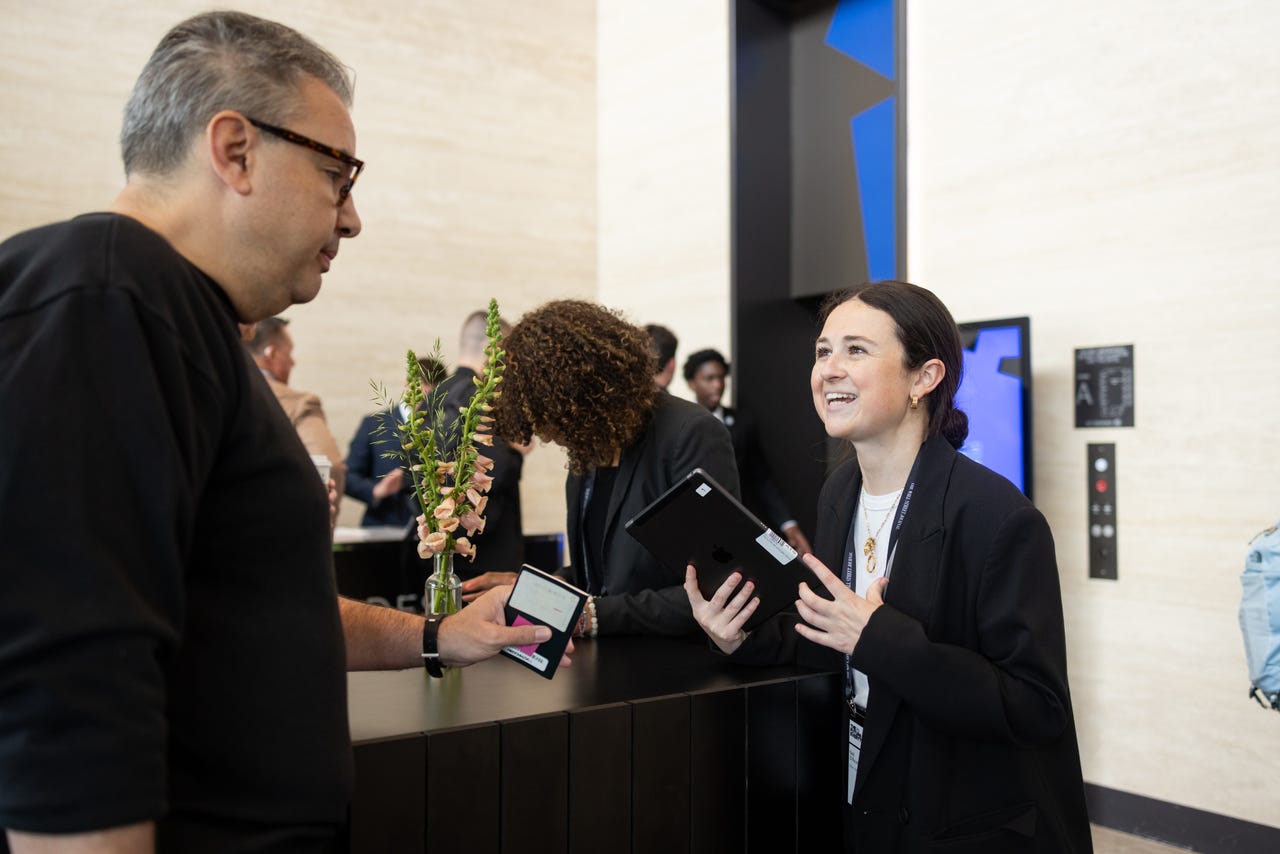
Guests checked in at one of four stations on the ground floor, each connected via iPad to a badge printer upstairs. Photo: WSJ
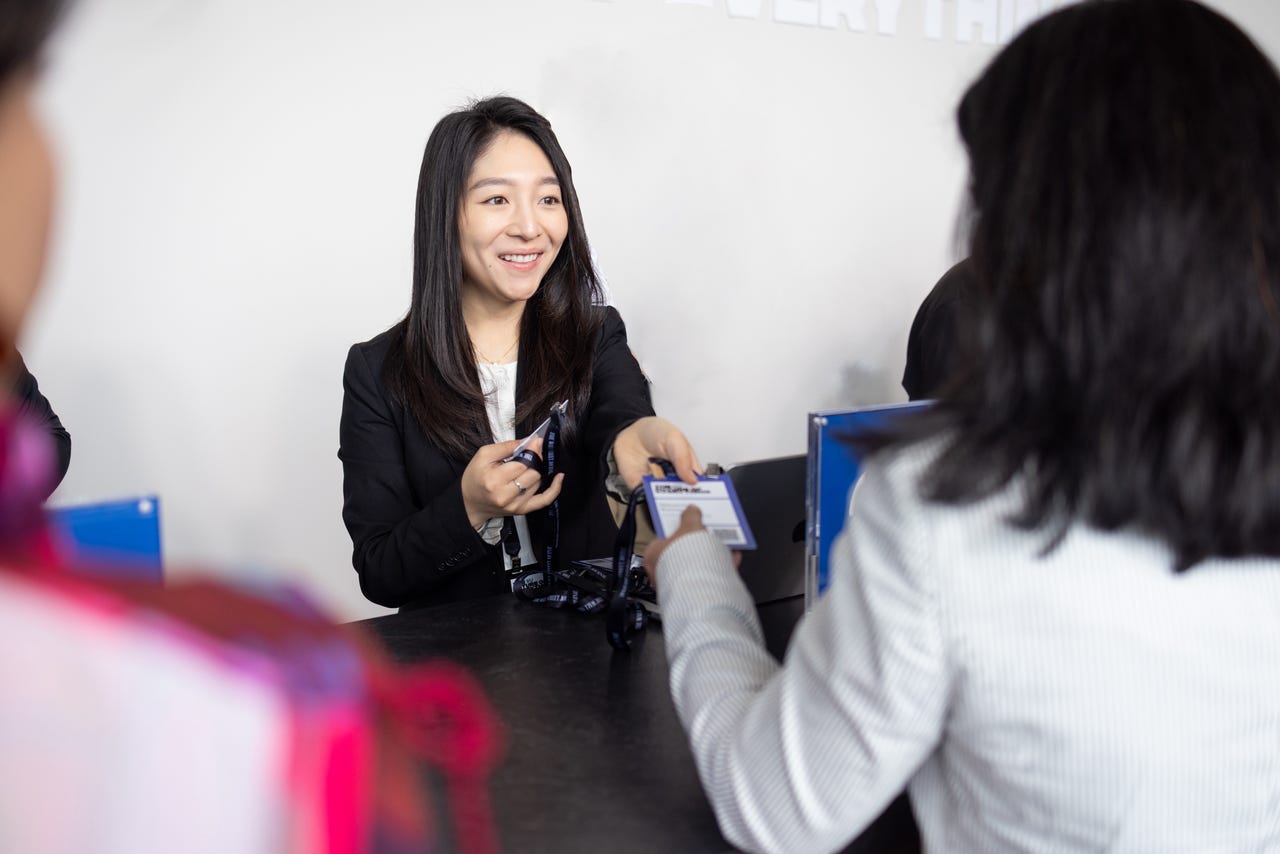
By the time attendees reached the 6th floor, their badge—now larger, sleeker, and networking-ready—was printed and waiting for them. Photo: WSJ
Tapping Into Smarter Networking
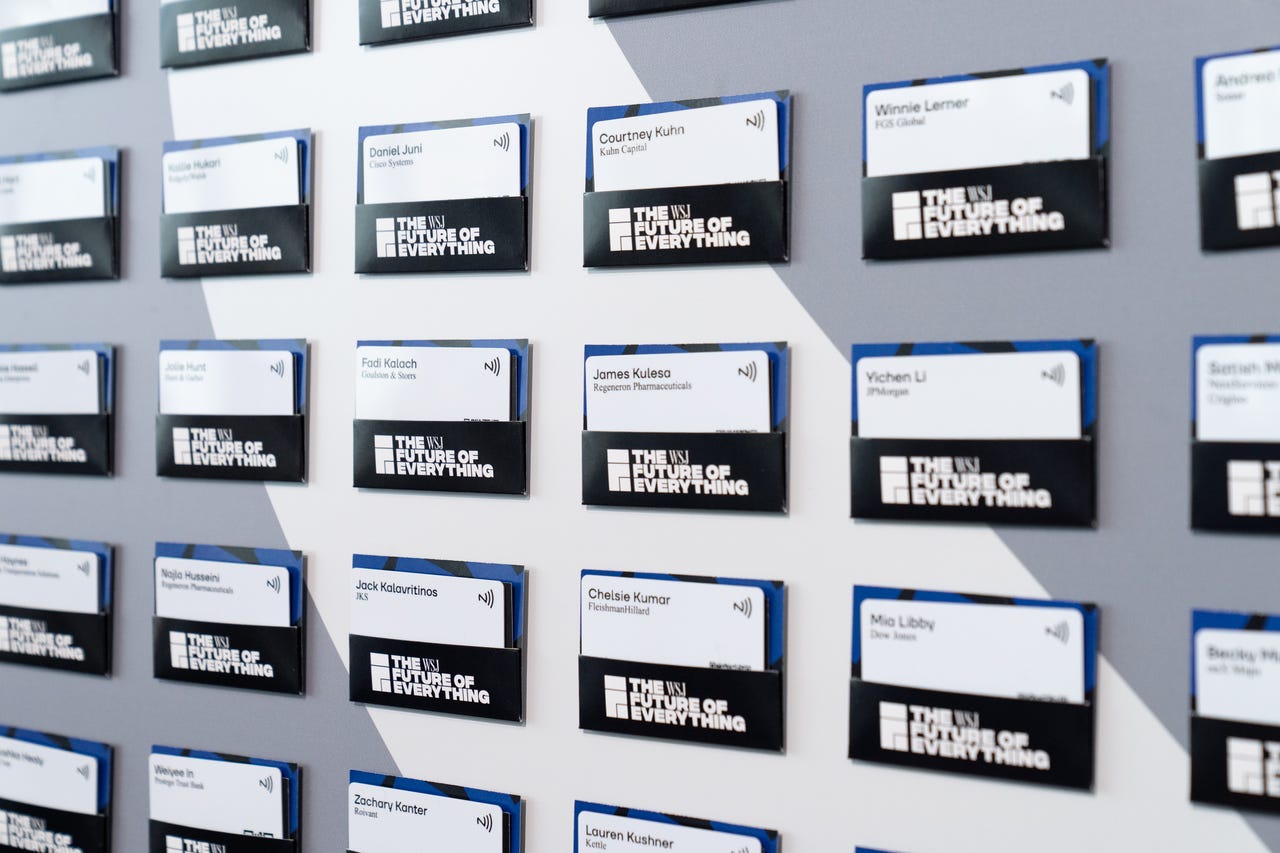
With registration streamlined, the next priority was building meaningful moments of connection between high-level guests. The solution? A sleek, NFC-enabled, personalized business card, pre-programmed with an attendee’s contact info and ready to swap details with their fellow attendees via a simple tap to a smartphone.
To personalize the rollout, guests were invited pre-event to confirm their details. Cards were pre-printed for early birds, while a live kiosk allowed for on-demand orders and pickups throughout the day. As a finishing touch, each guest received a monogrammed Royce New York business card wallet, a luxe, tactile detail that elevated the experience further.
Nearly every attendee picked up their card, and were armed immediately with a way to network onsite with ease of a single tap to a new contact’s smartphone. Many celebrated in post-event feedback that their new business card played a key role in facilitating authentic, meaningful connections throughout the event.
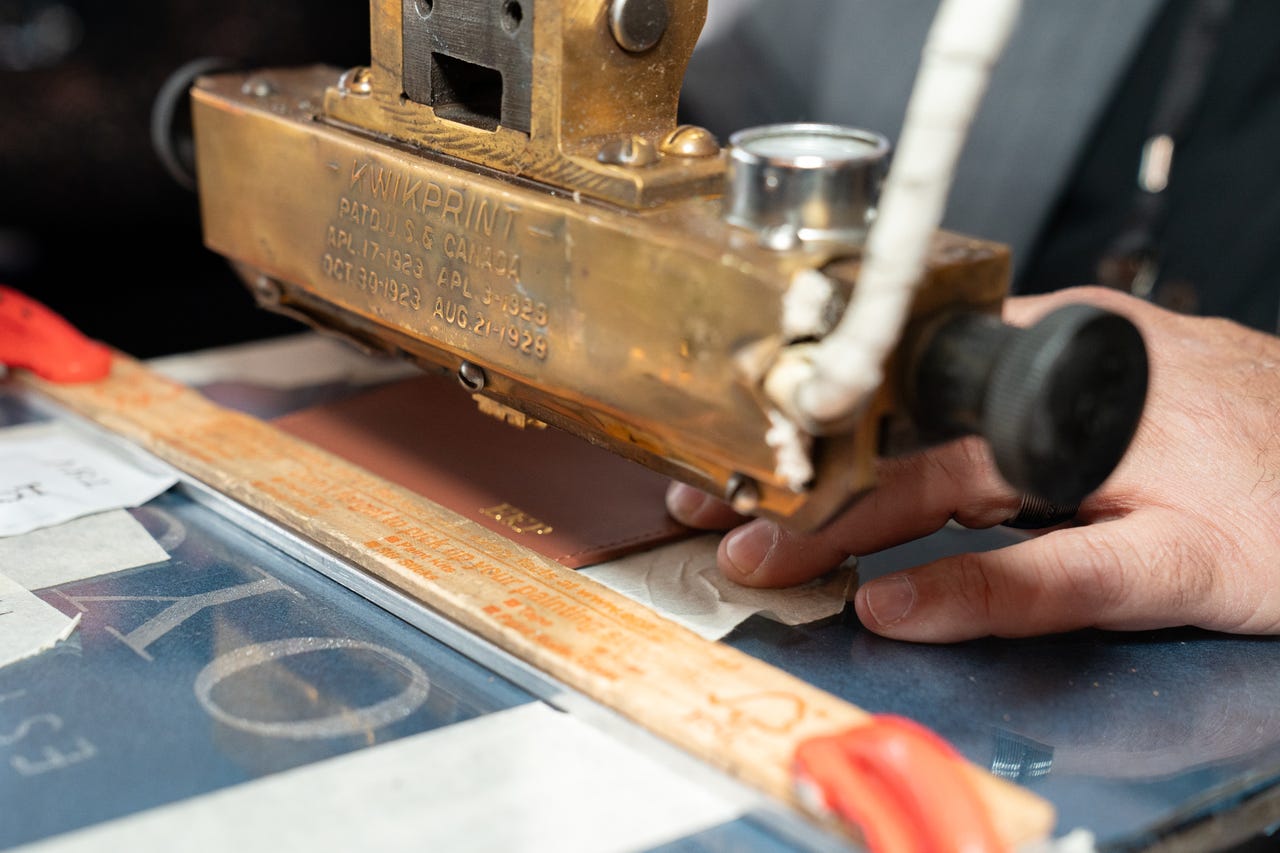
A monogrammed business card wallet elevated the experience further. Photo: WSJ
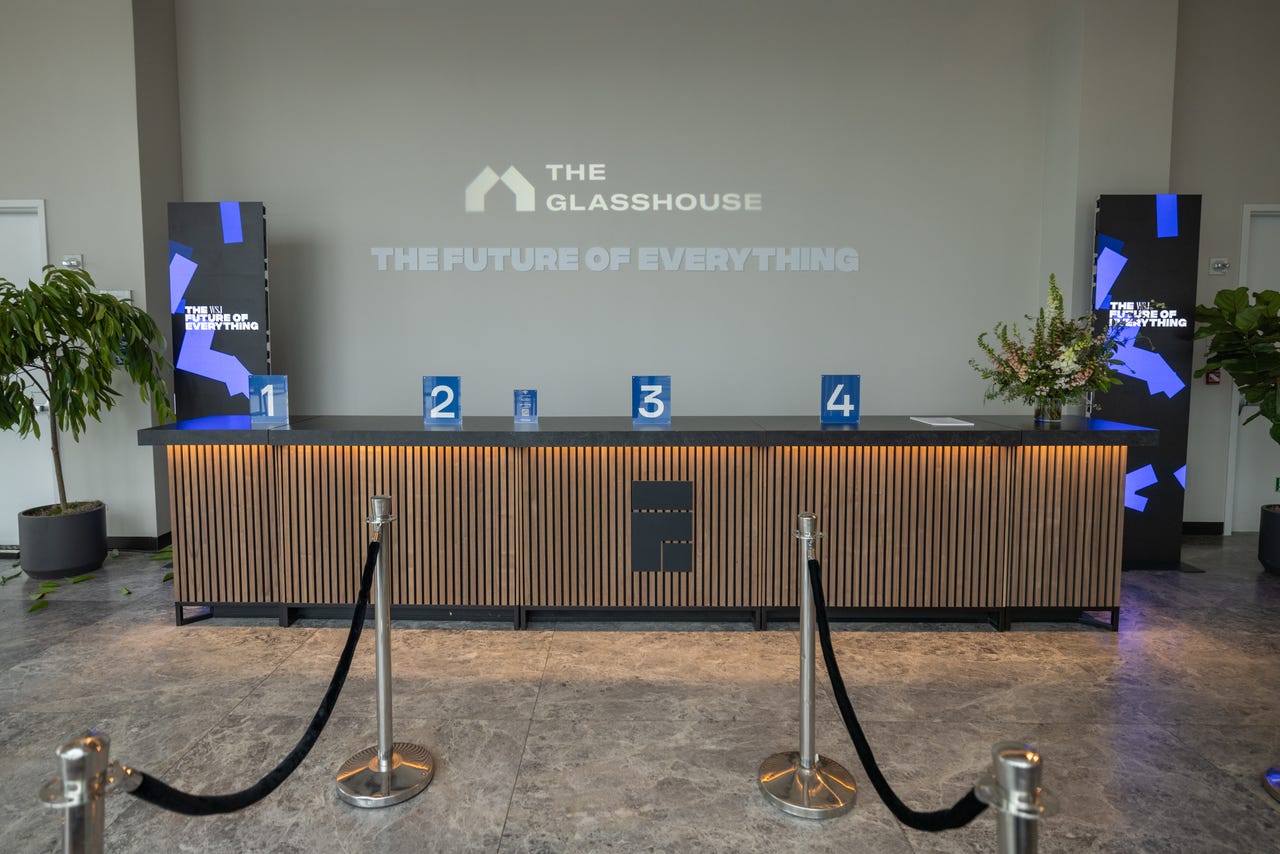
The 2025 edition marked a shift in format and audience, moving to New York City’s The Glasshouse. Photo: WSJ
First Impressions Matter
In an industry obsessed with wow moments and social-ready spectacles, check-in is too often overlooked. But for Future of Everything, it became a strategic touchpoint; one that communicated thoughtfulness, precision, and respect for the guest’s time.
As WSJ kicks off planning for its next event season, the focus remains on refining the front-of-house journey: making it even more intuitive, expanding networking touchpoints, and designing experiences that feel as premium and intentional as the audience we serve.
Because the future of everything? It starts at the front door.
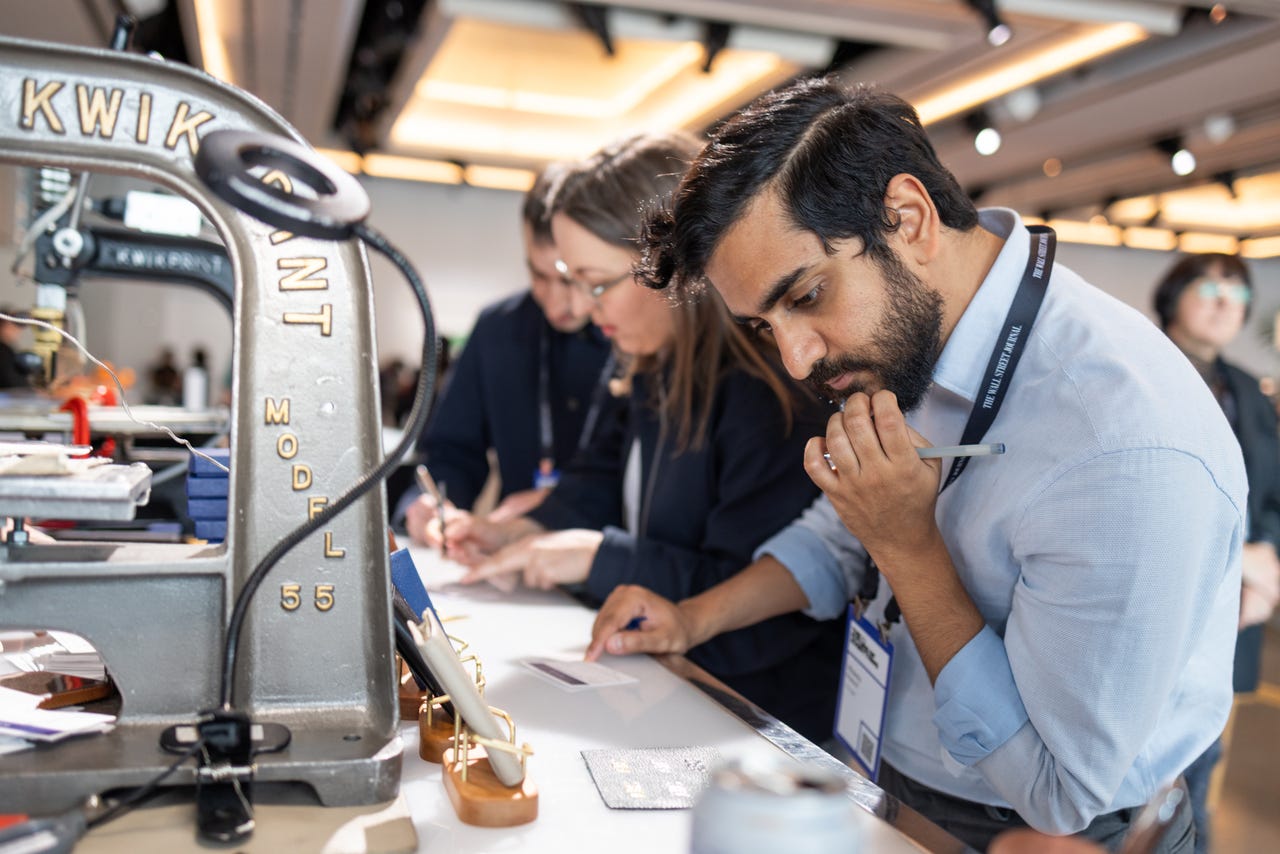
Next year's Future of Everything is set for May 4–5, 2026, at the Glasshouse. Photo: WSJ