B2B Exhibitions Face a Bumpy Start to 2025—But Opportunities AboundB2B Exhibitions Face a Bumpy Start to 2025—But Opportunities Abound
Despite the fact that the B2B exhibition industry is facing setbacks due to macroeconomic challenges including trade tariffs, inflation, and geopolitical tensions, event organizers can implement strategic approaches to navigate these headwinds while continuing the industry’s recovery journey.

May 21, 2025

The B2B exhibition industry continues its uneven climb toward full recovery from the pandemic. While 2024 ended on a high note—just 7.4% below 2019 performance levels—the first quarter of 2025 saw a dip, with the CEIR Index falling to 91.1.
What’s Behind the Q1 Decline?
A new question added to the CEIR Quarterly Index Survey sheds light on the downturn. Organizers were asked to assess the impact of macroeconomic factors on their event performance. The results mirrored expectations from the Organizer Benchmarking Study: most cited trade tariffs, inflation, geopolitical tensions, travel costs, and supply chain disruptions as negative influences.
The Trump Administration’s fluctuating trade policies have created a volatile business environment. Canada, for instance, has responded by reducing travel to the U.S. Meanwhile, consumer sentiment remains low, and business capital investment is slowing.
What Can Organizers Do?
Despite the headwinds, the industry has proven its resilience before—and can do so again. Larger events are performing well, and so are sectors like building, construction, home and repair, and transportation. With wages outpacing inflation and low unemployment, consumer spending remains a stabilizing force.
Now is the time for organizers to get proactive. Here are several strategies to consider:
Tactical Opportunities for Organizers
Maximize Domestic Participation. For international events, CEIR data indicates that on average, 75% of participants are already domestic. Focus on expanding domestic exhibitor and attendee bases. Explore adjacent sectors for growth.
Turn Supply Chain Stress into Value. Create pavilions or matchmaking programs that highlight resilient supply chain solutions. Help buyers find new sources.
Support U.S. Manufacturing Goals. Align with federal initiatives by hosting pavilions or sessions that connect stakeholders interested in reshoring manufacturing.
Facilitate Industry Dialogue. Use conference programming to address trade, inflation, and supply chain challenges. Position your event as a hub for solutions and innovation.
Stay Connected with International Audiences. If travel restrictions persist, offer hybrid formats or post-show digital content. Consider launching satellite events in key international markets.
Reach Domestic Audiences Affected by Travel Limits. For professionals impacted by federal travel restrictions, consider regional events or roadshows to maintain engagement.
The B2B exhibition industry has weathered worse—and come out stronger. With creativity, data-driven planning, and a willingness to adapt, organizers cannot only survive but also thrive in today’s complex environment.
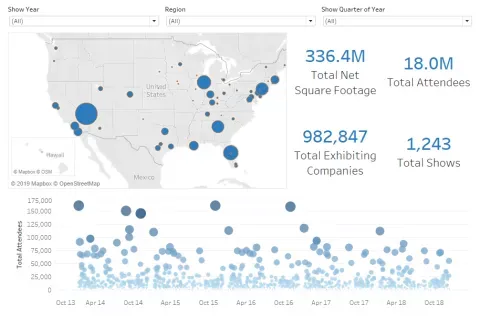
For data-driven insights to guide your strategy, explore CEIR’s new interactive Index Dashboard—a powerful tool designed to support smarter planning and decision-making. Visit here for more information. Also, keep an eye out for the upcoming Q1 Index Quarterly Report, which will provide a deeper look into first-quarter performance and highlight key macroeconomic trends to watch as you navigate the evolving business landscape.
About the Author

Related Stories